
Invited Participants

Featured Speakers

Raman Sumathy

Raman Sumathy

ExxonMobil Research and Engineering Center, Clinton, New Jersey, USA

Scientific Contribution

Application of physics based modeling in Industrial Processes

Denis Jacquemin

Denis Jacquemin

Chimie et Interdisciplinarité: Synthèse, Analyse, Modélisation · Universite de Nantes, France

Scientific Contribution

The QUEST Database of Highly-Accurate Excitation Energies and Properties

The QUEST Database of Highly-Accurate Excitation Energies and Properties

Denis Jacquemina,b

aNantes Université, CNRS, CEISAM UMR 6230, F-44000, Nantes, France

bInstitut Universitaire de France, 75005, Paris Cedex 5, France

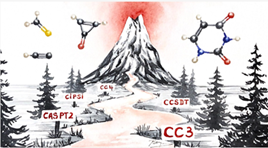
During this talk, I will describe efforts made during the last few years to create a large database of ultra-accurate reference values for electronic excited states: the QUEST database.[1] The database encompasses vertical transition energies,[1,2] oscillator strengths,[3] dipole moments,[3] excited-to-excited transition probabilities,[4] two-photon absorption strengths,[5] and geometries[6] for a large set of small and medium-sized molecules, as well as organic chromophores.[1,2,7] Excited states of various nature (p-p*, n-p*, double excitation, Rydberg, singlet, doublet, triplet, quartet…) have been considered. Most reference values have been obtained using an incremental strategy which consists in combining high-order coupled cluster and selected configuration interaction calculations using increasingly large diffuse basis sets in order to reach high accuracy. This allowed producing theoretical best estimates (TBEs) with the aug-cc-pVTZ basis set for each of these transitions, as well as basis set corrected TBEs (i.e., near the complete basis set limit) for some of them. It should be noted that the QUEST database does not rely on any experimental values, avoiding potential biases inherently linked to experiments and facilitating theoretical cross comparisons. In a second part of the talk, I will show how the TBEs/aug-cc-pVTZ have been employed to benchmark a large number of (lower-order) wave function methods such as CIS(D), ADC(2), CC2, STEOM-CCSD, CCSD, CCSDR(3), CCSD(T)(a)*, CCSDT-3, ADC(3), CC3, CASPT2, NEVPT2, and so on (including spin-scaled variants). The performances of CC4[8] and the specific case of double excitations[9,10] will be discussed as well.
[1] P. F. Loos, M. Boggio-Pasqua, A. Blondel, F. Lipparini and D. Jacquemin, J. Chem. Theory Comput. 21 (2025) 8010. Database freely available on https://github.com/pfloos/QUESTDB.

[2] M. Véril et al. WIREs Comp. Mol. Sc. 11 (2021) e1517.

[3] A. Chrayteh, A. Blondel, P. F. Loos and D. Jacquemin J. Chem. Theory Comput. 17 (2021) 416.

[4] J. Sirucek, B. Le Guennic, Y. Damour, P. F. Loos and D. Jacquemin J. Chem. Theory Comput. 21 (2025) 4688.

[5] C. Naim, R. Zalesny and D. Jacquemin J. Chem. Theory Comput. 20 (2024) 9093.

[6] S. Budzak, G. Sclamani and D. Jacquemin J. Chem. Theory Comput. 13 (2017) 6237.

[7] I. Knysh, F. Lipparini, A. Blondel, I. Duchemin, X. Blase, P. F. Loos and D. Jacquemin J. Chem. Theory Comput. 20 (2024) 8152.

[8] P. F. Loos, D. A. Matthews, F. Lipparini and D. Jacquemin J. Chem. Phys. 154 (2021) 221103.

[9] P. F. Loos, M. Boggio-Pasqua, A. Scemama, M. Caffarel and D. Jacquemin J. Chem. Theory Comput. 15 (2019) 1939.

[10] F. Kossoski, M. Boggio-Pasqua, P. F. Loos and D. Jacquemin J. Chem. Theory Comput. 20 (2024) 5655.

Michelle Coote

Michelle Coote

Flinders Institute for Nanoscale Science & Technology, Flinders University, Adelaide, Australia

Scientific Contribution

Directing Chemical Reactions with Electric Fields

Directing Chemical Reactions with Electric Fields

While chemists have long used electrical potentials to control redox processes, our recent work has shown that electric fields can also catalyze non-redox reactions. This electrostatic catalysis arises when an oriented field selectively stabilizes the transition state, accelerating reaction rates. Because these effects are highly directional, a central challenge is controlling molecular orientation within the field. One experimental approach is to use scanning tunnelling microscopy (STM) to deliver electric fields, align molecules, and measure their impact on single-molecule reaction rates. However, STM is not scalable for bulk chemical synthesis. To overcome this limitation, we have introduced a scalable approach that harnesses the internal electric fields of charged functional groups. Here, protonation or deprotonation switches the local field at the reaction site, providing a convenient pH-controlled handle on reactivity. Using this strategy, we have stabilized reactive intermediates, controlled regio- and stereoselectivity, enhanced and red-shifted photochemical processes, and lowered reaction temperatures by as much as 150 °C. This talk will highlight these advances and our broader efforts to establish electrostatic catalysis as a powerful new paradigm for organic synthesis.

Joseph Indekeu

Joseph Indekeu

Department of Physics, KU Leuven, Belgium

Scientific Contribution

From quantum physics (1900) to quantum mechanics (1926): a special delivery!

The genesis of quantum physics and quantum chemistry and the birth of quantum mechanics We get acquainted with the quantum ideas of Max Planck and with the extension of these thoughts from matter to radiation by Albert Einstein. We follow Niels Bohr in his conception of the modern model of the atom. The surprising suggestion of Louis de Broglie to attach a wavelength to massive particles, and the ensuing wave mechanics of Erwin Schrödinger, clash with the matrix mechanics and the uncertainty relations of Werner Heisenberg. The interpretation of matter waves as probability amplitudes by Born, Bohr and Heisenberg encounters strong hesitation on the part of Einstein, Schrödinger and de Broglie, but quantum mechanics slowly but surely becomes based on the mathematical theory of chance.
Stefan Knecht

Stefan Knecht

Group Quantum Chemistry Research, Algorithmiq Ltd., Helsinki, Finland

Scientific Contribution

Current state of quantum computing in computational natural sciences and quantum chemistry

From Quantum Algorithms to Better Therapies and Materials: Algorithmiq’s Impact in Life Sciences and Materials Discovery

Stefan Knecht

Algorithmiq S.r.l., Via della Chiusa 15, 20123 Milano, Italy

Quantum computing is at the threshold of transforming molecular simulation, offering solutions to some of the most intractable challenges in computational chemistry. One of the areas where this transformation is most urgently needed is photodynamic therapy (PDT) drug discovery, a highly promising yet computationally demanding approach to targeted cancer treatment. PDT drugs must be carefully designed to optimize light absorption, reactive oxygen species generation, and excited-state stability. However, classical methods have failed to provide accurate predictive modelling for PDT drug candidates, leaving experimental screening as the primary discovery method—an inefficient and costly approach that has significantly slowed innovation.

In this talk, I will outline our project, awarded as the sole winner of the Wellcome Leap Quantum4Bio Global Challenge [1] that is designed to address these challenges by building the first scalable quantum simulation pipeline for PDT drug discovery, allowing for the rational design of next-generation photosensitizers. In particular, I will discuss a series of groundbreaking advancements, enabling largescale quantum chemistry simulations that were previously infeasible. These results provide a clear path toward executing hardware-based quantum simulations at a scale where classical multiconfigurational quantum-chemistry methods break down, setting the stage for the first credible demonstration of useful quantum advantage in molecular modelling.

With these innovations at hand, I will present an end-to-end procedure —from defining a molecular structure to computing error-mitigated ground- and excited-state energies and molecular properties for molecules and materials using real quantum hardware at a 50+ qubit scale. This marks a significant step towards practical, hardware-compatible quantum chemistry simulations for molecular systems as well as materials.

[1] https://wellcomeleap.org/q4bio_prize_announcement/

Fernando Buendia

Fernando Buendia

Department of Chemical and Biomolecular Engineering, Faculty of Engineering, National University of Singapore

Scientific Contribution

Design of catalysis for the electro- and thermo-reduction of CO₂

Design of catalysis for the electro- and thermo-reduction of CO2

The catalytic transformation of CO₂ into high-value chemical compounds is a cornerstone of sustainable energy and chemical production, encompassing both thermochemical and electrochemical approaches. One of the possible compounds is methanol where Cu-ZnO catalysts are industrially employed, yet the precise identity of active sites remains controversial due to the dynamic morphology of catalyst phases under reaction conditions. Through density functional theory (DFT) and microkinetic simulations, we elucidate the stability and reactivity of Cu-Zn alloy nanoparticles, ZnO films on Cu (ZnO/Cu), and Cu nanoparticles on ZnO (Cu/ZnO) under varying CO/CO2 feeds. Our findings reveal that catalytic phase transitions are governed by CO2 concentration, with Cu/ZnO interfaces exhibiting superior methanol synthesis rates attributable to the d+ charge state of interfacial Cu and dual-site stabilization of reaction intermediates. Another strategy is the CO2 electroreduction, where Pd-based catalysts have been found to be useful for the selective formate production. However, Pd in bulk suffers from deactivation at high overpotentials. By engineering a palladium/fullerene (Pd/C60) composite, we achieve enhanced current density and resistance to deactivation, attributed to interfacial charge transfer that mitigates Pd-H formation and CO poisoning. This dual mechanistic perspective underscores the critical role of interface engineering and phase control in catalyst design, offering pathways to optimize catalytic activity, selectivity, and stability for both the electro- and thermo-reduction of CO2.

Pham Le Nhan

Pham Le Nhan

Flinders Institute for Nanoscale Science & Technology, Flinders University, Adelaide, Australia

Photoinduced Electron Transfer in Chemical Reactions


Electron transfer is a fundamental process in oxidation-reduction chemical reactions. In such a process, usually an electron is transferred from one species (donor) to another one (acceptor), producing activated species that will be ready for and involved in next steps of chemical reactions or chemical processes. In this talk, photoinduced electron transfer will be presented and discussed, including its basic concept, types (inner sphere and outer sphere electron transfers), and key steps. Additionally, factors that control the transfer rates are also discussed. Couples of research examples will be discussed to show how single electron transfer processes are important in photoredox chemical reactions. Also, on-going research projects and potential ideas are also presented for consideration.

References

  1. Pham, L. N.; Olding, A.; Ho, C. C.; Bissember, A. C.; Coote, M. L. Investigating Competing Inner‐ and Outer‐Sphere Electron‐Transfer Pathways in Copper Photoredox‐Catalyzed Atom‐Transfer Radical Additions: Closing the Cycle. Angew. Chem. Int. Ed. (2024).
  2. Draper, F.; DiLuzio, S.; Sayre, H. J.; Pham, L. N.; Coote, M. L.; Doeven, E. H.; Francis, P. S.; Connell, T. U. Maximizing Photon-to-Electron Conversion for Atom Efficient Photoredox Catalysis. J. Am. Chem. Soc. (2024)
  3. Czyz, M.; Horngren, T.; Kondopoulos, A.; Franov, L.; Forni, J.; Pham, L. N.; Coote, M.; Polyzos, A. Photocatalytic Generation of Alkyl Carbanions from Alkenes. Nat. Catal. (2024).
  4. Olding, A.; Cameron, L.; Pham, L. N.; Shephard, J. P.; Lucas, N. T.; Moggach, S. A.; Massi, M.; Connell, T. U.; Ho, C. C.; Coote, M. L.; Bissember, A. C. Copper(I) Photoredox Catalysts Bearing Tetradentate Phenanthroline-Based Ligands: Understanding the Interplay between Structure and Function. ACS Catal. (2025)


Phan Thi Ngoc Loan

Phan Thi Ngoc Loan

Department of Physics, Ho Chi Minh City University of Education

THz-Controlled Cutoff Extension in High-Order Harmonic Generation: From Atomic Universality to Molecular Symmetry Effects

Ngoc-Loan Phan1*, Doan-An Trieu2, Duong D. Hoang-Trong3, Cam-Tu Le4, Van-Hoang Le1

1Ho Chi Minh City University of Education, Ho Chi Minh City, Vietnam ; 2Duy Tan University, Vietnam; 3Van Lang University, Vietnam; 4Ton Duc Thang University, Vietnam

*Email: loanptn@hcmue.edu.vn

Extending the high-harmonic cutoff with experimentally accessible fields is key to advancingtabletop EUV and soft X-ray sources. Although terahertz (THz) assistance offers a promising route,cutoff extension at weak, laboratory-accessible THz strengths remains poorly understood.

In this work, we investigate THz-assisted high-order harmonic generation using time-dependent Schrödinger equation simulations supported by classical analysis and Bohmian quantum dynamics. We demonstrate that even weak THz fields can extend the cutoff, producing a pronounced “fishfin” structure whose dominant branches saturate near Ip+8Up. This extension originates from long electron excursions spanning multiple optical cycles before recombination and is robust across atomic species and driving parameters, revealing a universal mechanism for centrosymmetric target.

However, in aligned molecular systems, this universality breaks down. While the cutoff scalingpersists, orbital symmetry governs the visibility of the extended plateau.Alignment along nodaldirections suppresses THz-assisted harmonics, redistributing spectral weight among orbitalchannels, with stronger effects at moderate THz strengths and in asymmetric molecules. Bohmiananalysis shows that this suppression arises from symmetry-induced transverse spreading of longtrajectories, which reduces recollision probability.

These results establish THz fields as an effective control knob for cutoff extension, as well as for probing orbital-resolved electron dynamics and optimizing high-energy HHG.

Trinh Xuan Hoang

Trinh Xuan Hoang

Institute of Theoretical Physics, Vietnam Academy of Science and Technology

Solvation effects on protein folding: Insights from simple models

Trinh Xuan Hoang

Institute of Physics, Vietnam Academy of Science and Technology, 10 Dao Tan, Giang Vo, Ha Noi, Vietnam, Email: txhoang@iop.vast.vn


The aqueous solvent profoundly influences protein folding, yet its effects are relatively poorly understood. In this talk, I will review experimental and theoretical approaches to protein folding kinetics and present our recent study on the effects of solvation on protein folding by using a lattice model with a single-residue solvation potential. This study shows that a negative solvation energy in this model, indicating an attraction between a fully exposed amino acid residue and the solvent, substantially enhances folding cooperativity and the correlation between folding rates and the relative contact order (RCO). It is suggested that solvation of peptide groups in the protein backbone could be a key factor leading to the extraordinary folding cooperativity and the topology-dependent folding rates observed in two-state proteins.

Nguyen Ngoc Linh

Nguyen Ngoc Linh

Faculty of Materials Science and Engineering, Phenikaa University

Machine-Learning Interatomic Potentials for the Simulation of Reaction Pathways

Ngoc Linh Nguyen
Email: linh.nguyenngoc@phenikaa-uni.edu.vn
Faculty of Materials Science and Engineering, Phenikaa School of Engineering, Phenikaa University
Nguyen Trac Street, Duong Noi Ward, Hanoi, Vietnam

Simulation of minimum energy reaction paths (MEPs) is a key step in surface science, with important applications in heterogeneous catalysis, materials synthesis, and related fields. The most widely used approach for determining MEPs is the nudged elastic band (NEB) method, in which artificial spring forces are introduced to connect a series of images and guide the system toward the saddle point along the reaction pathway. In practice, NEB calculations are often combined with density functional theory (DFT) to accurately evaluate total energies and atomic forces. However, the high computational cost of DFT makes NEB simulations particularly demanding, especially for large systems or complex reaction mechanisms. In this talk, I will present an efficient framework that integrates machine-learning interatomic potentials with NEB calculations to significantly accelerate the exploration of reaction pathways. Specifically, we employ the MACE (Message Passing Atomic Cluster Expansion) neural network model and discuss strategies for fine-tuning foundation models for task-specific applications. The methodology is demonstrated through two representative case studies: (i) diffusion of Fe dopants in the GaN lattice, and (ii) molecular desorption mechanisms in atomic layer deposition processes. These examples highlight the potential of machine-learning-assisted NEB simulations to achieve near-DFT accuracy with substantially reduced computational cost.

Nguyen Minh Tri

Nguyen Minh Tri

Ho Chi Minh City University of Technology (HCMUT), Ho Chi Minh City, Vietnam

Accurate Prediction of HOMO-LUMO Gaps and Heats of Formation for Polycyclic Aromatic Compounds Using Transfer and Delta Machine Learning Methods With Group equivariant Convolutional Neural Networks

Tri M. Nguyena, Thanh N. Truongb,*

a Faculty of Chemical Engineering, Ho Chi Minh City University of Technology (HCMUT), 268 Ly Thuong Kiet Street, Dien Hong Ward, Ho Chi Minh City, Vietnam

b Department of Chemistry, University of Utah, Utah, United States

* Email address: Thanh.Truong@utah.edu


We present an accurate approach for predicting two important properties, HOMO-LUMO gaps and heats of formation for Polycyclic Aromatic Compounds (PACs), using a multi-channel tensor representation and a Group equivariant Convolutional Neural Network (G-CNN) with hexagonal kernels. Specifically, molecules are mapped onto a 13-layer hexagonal grid that encodes the topological framework, functional groups, and atom types, enabling D6 group equivariance within the network. The model was trained and evaluated on a dataset of 682,031 PACs filtered from the PubChem database, containing 5- and 6-membered rings, linkers, and functional groups. To generate training data, all molecules were optimized at the GFN2-xTB and PM7 levels of theory, with a subset of 3,533 molecules reoptimized at the higher CAM-B3LYP/6-31+G(d,p) level of theory. We employed combinations of machine learning (ML) approaches, including transfer learning and delta learning methodologies. Model performance was evaluated based on the ability to predict chemical properties compared to the more computationally expensive CAM-B3LYP level of theory. Ultimately, this approach aims to accelerate quantum chemical property prediction, providing a fast and accurate screening tool for this important class of materials in organic semiconductor design and combustion modeling, as well as for use in the inverse design of new materials.


Keywords: Polycyclic aromatic compounds, HOMO-LUMO gap, heat of formation, group equivariant convolutional neural network, property prediction

Phan Huu Nghia

Phan Huu Nghia

Department of Health Sciences, Can Tho University

Tuning Antioxidant Mechanisms through Copper(II) Coordination: From Endogenous to Exogenous Antioxidants and their implications for Pharmaceutical Design.

The interplay between transition metal ions and antioxidants is a key to cellular redox balance. This presentation examines the sophisticated role of copper(II) ions in modulating the radical scavenging pathways of some natural antioxidants, i.e. uric acid (endogenous) and quercetin (exogenous). Comprehensive DFT calculations reveal that Cu(II) ions acts not as mere sequester but as an active electronic and kinetic tuner. Copper(II) coordination effectively moderates the thermodynamic driving forces, relocating these reactions into the optimal kinetic regime and accelerating rate constants by several orders of magnitude. Crucially, quantum tunneling overcomes elevated activation barriers, enabling highly efficient hydrogen transfer despite the metal center’s presence, thus preserving or enhancing antioxidant potency. These insights provide a unified mechanistic framework for metal-ligand antioxidant modulation, guiding the design of superior pharmaceutical and nutraceutical agents that bridge endogenous defense and exogenous supplementation for oxidative stress therapy.


Truong Dinh Hieu

Truong Dinh Hieu

Duy Tan University

Oxidation of metazachlor herbicide by sulfate radical anion in gas and water: Mechanism, kinetics, and toxicity evaluation


Dinh Hieu Truong1,2,3

1Institute of Research and Development, Duy Tan University, Da Nang 550000, Viet Nam

2School of Engineering and Technology, Duy Tan University, Da Nang 550000, Viet Nam

3University of Sciences, Hue University, Hue City 530000, Viet Nam


ABSTRACT

In recent years, pesticide use has increased significantly due to their effectiveness in protecting crops from pests. This leads to several serious environmental problems that negatively impact ecosystems and human health. Metazchlor (MTZ) is a widely used herbicide for controlling annual grasses and broad-leaved weeds. Therefore, MTZ pesticide residues have been detected in many regions worldwide. This study investigated oxidation of MTZ initiated by sulfate radical anion (SO4●-) using density functional theory at the M06-2X/6-311++G(3df,3pd)//M06-2X/6-31+G(d,p) level of theory. Three mechanisms were considered: hydrogen abstraction (Abs), radical addition (Add), and single electron transfer (SET). All oxidation reactions were examined in the gas and water phases at temperatures ranging from 253 to 323 K and 283 to 323 K, respectively. The initial products would be reacted with common oxidizing agents and then tested for ecotoxicity using the ECOSAR (Ecological Structure–Activity Relationships) model[1] for aquatic organisms. As a result, the degradation of MTZ in both gas and water phases was favourable and spontaneous, with very high rate constants of 1.51 × 10¹³ and 4.50 × 10¹⁰ M-1 s-1, respectively. The gas-phase degradation was determined to be a selective process that occurred primarily via an Abs reaction at the H24 hydrogen atom belonging to the methyl group (C13). On the contrary, multiple Add and Abs pathways in water significantly contributed to oxidation, thereby making the process non-selective. These findings highlight the effectiveness of SO4●−-based advanced oxidation processes for MTZ removal in different environmental phases.
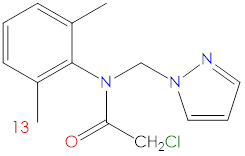
Figure 1. 2D structure of metazachlor


References

  1. EPA | ECOSAR. 2022 Ecological Structure Activity Relationships (ECOSAR) Predictive Model | US EPA. V2.2.

 

Nguyen Duc Long

Nguyen Duc Long

Simulation in Materials Science Research Group, Science and Technology Advanced Institute, Van Lang University

Anharmonic lattice dynamics and thermal transport in thermoelectric materials: a machine-learning potential approach

Duc-Long Nguyen

1Simulation in Materials Science Research Group, Science and Technology Advanced Institute, Van Lang University, Ho Chi Minh City, Vietnam

2Faculty of Applied Technology, Van Lang School of Technology, Van Lang University, Ho Chi Minh City, Vietnam

nguyenduclong@vlu.edu.vn

Reducing lattice thermal conductivity (κL) is a key strategy for enhancing thermoelectric performance. However, accurately predicting κL remains computationally challenging because it requires reliable anharmonic force constants and phonon lifetimes. This talk introduces a computational framework that integrates density functional theory, machine-learning interatomic potentials, sparse force-constant regression, self-consistent phonon theory, and Boltzmann transport calculations to investigate anharmonic phonon transport in thermoelectric materials. The approach aims to maintain firstprinciples accuracy while significantly lowering the computational cost of third-order force-constant calculations and enabling the analysis of chemically complex, doped, low-symmetry, and dynamically unstable systems. Several representative materials are discussed. For Sb-doped GeTe single crystals, machine-learning force constants accurately reproduce phonon dispersions and capture the reduction in κL caused by Sb substitution and vacancy effects. In high-temperature Cmcm SnSe, self-consistent phonon calculations combined with machine-learning potentials stabilize the dynamically unstable phase without artificially softening optical modes, producing phonon spectra consistent with inelastic neutron scattering measurements. For the complex oxide V2WO6, the method resolves strong anharmonicity, reproduces Raman-active phonon features, and explains the low thermal conductivity primarily as a result of low-frequency phonons and defect-sensitive mean free paths. Finally, Janus ISbTe monolayers demonstrate how structural polymorphism and broken symmetry significantly influence phonon velocities and lattice thermal transport.

Keyword: machine-learning interatomic potentials; lattice thermal conductivity; thermoelectrics; anharmonic phonons; Boltzmann transport equation; self-consistent phonons.

Long Van Duong

Long Van Duong

Science and Technology Advanced Institute, Van Lang University, Ho Chi Minh City

A super alkaline earth cluster enables room temperature hydrogen uptake and rapid release

Long Van Duong1,2

1 Atomic Molecular and Optical Physics Research Group, Science and Technology Advanced Institute, Van Lang University, Ho Chi Minh City, Viet Nam

2 Faculty of Applied Technology, Van Lang School of Technology, Van Lang University, Ho Chi Minh City, Viet Nam

Email: duongvanlong@vlu.edu.vn

A systematic computational study of the mixed boron–magnesium clusters B18Mg60/+/2+ reveals remarkable structural integrity throughout different charge states. The neutral, cationic, and dicationic species all adopt compact spheroidal geometries, indicating preservation of the cluster framework during reversible charging and discharging. Among them, B18Mg62+ exhibits enhanced electronic stability, characterized by a closed-shell π-electron system and a HOMO–LUMO gap of 2.1 eV. The neutral and singly charged species are generated through successive electron attachment, giving rise to distinct electronic configurations and spin multiplicities.

The hydrogen storage capability of B18Mg60/+/2+ was evaluated over a range of charge states. At 0 K, the clusters can accommodate as many as 24 H2 molecules, corresponding to a gravimetric capacity of 12.44 wt%. Under conditions relevant to 70 MPa type-IV compressed-hydrogen tanks at ambient temperature, B18Mg62+ remains capable of binding up to 21 H2 molecules (11.06 wt%). Importantly, modulation of the cluster charge promotes efficient hydrogen desorption, enabling complete H2 release at room temperature under pressures below 3 MPa. This charge-driven adsorption/desorption mechanism offers a promising alternative to conventional temperature- or pressure-swing storage technologies by achieving reversible hydrogen release under substantially milder operating conditions.

Le Van Lich

Le Van Lich

Center for Materials Innovation and Technology, VinUniversity, Ha Noi

Development of Phase-Field Model for Graded Ferroelectrics: Discovering Exotic Domains and Switching Pathways

Le Van Lich1,2,*

1 Center for Materials Innovation and Technology, VinUniversity, Hanoi, Vietnam  

2 College of Engineering and Computer Science, VinUniversity, Hanoi, Vietnam 

*Corresponding Author: lich.lv@vinuni.edu.vn 

 Compositionally graded ferroelectrics (cgFEs) exhibit continuous spatial variations in composition that break macroscopic spatial inversion symmetry, generating coupled polarization and strain fields that host novel topological configurations. Traditional phase-field models, designed for homogeneous architectures, fail to capture these localized gradient interactions. To overcome this limitation, we developed an enhanced multi-scale phase-field simulation framework based on time-dependent Ginzburg-Landau theory. This approach explicitly integrates site-dependent material parameters as continuous functions of spatial coordinates that precisely match chemical gradations. Implementing this model across various nanoscale systems yielded three key breakthroughs. First, it captures the spontaneous formation of needle-like polarization domains, revealing that localized elastic energy and depolarization fields drive domain truncation and boundary curving at the tips. Second, the gradient-tailored free-energy landscape enables direct switching of asymmetric flux-closure domains and vortices via purely irrotational electric fields. Third, we stabilized Bloch-type polar Meron textures that are both geometrically and topologically distinct from conventional vortices. Our results demonstrate that these nontrivial states possess out-of-plane polarizations and toroidal moments that can be comprehensively manipulated, enabling precise control over Meron handedness and chirality via tailored homogeneous and curled electric fields. Ultimately, this formulation provides an incisive computational tool for decoding structure-property relationships in cgFEs, offering vital design rules for next-generation nonvolatile memories and oxide electronics.

Do Thi Mai Dung

Do Thi Mai Dung

Unit of Computation and AI Application Research, Faculty of Pharmaceutical Chemistry and Technology, Hanoi University of Pharmacy

Molecular Insights into HER2 Inhibition via Machine Learning and MD Simulations

Duc Toan Truong, 1,2 Thi Thuy Mai Tran,3 Ngoc Ha Nguyen,3 Chi M. Phan4, Minh Tho Nguyen5, Thi Mai Dung Do3

1 Laboratory for Chemical Computation and Modeling, Institute for Computational Science and Artificial Intelligence, Van Lang University, Ho Chi Minh City, 70000 Vietnam

2 Faculty of Applied Technology, Van Lang School of Technology, Van Lang University, Ho Chi Minh City, 70000 Vietnam

3 Faculty of Pharmaceutical Chemistry and Technology, Hanoi University of Pharmacy, 13-15 Le Thanh Tong, Cua Nam, Ha Noi 1000, Vietnam

4 Discipline of Chemical Engineering, WASM, Curtin University, Perth, WA 6045 Australia

5 Center for Environmental Intelligence, VinUniversity, Hanoi 10000, Vietnam;


One of the longstanding problems with breast cancer therapy is a full understanding of the mechanism between HER and its inhibitors. Inspiringly, our study successfully identifies the role of five key residues positioned in the core of the HER2 active site. To accelerate the investigation into learning the HER2 tyrosine kinase protein, we have applied an integrated computational approach: the Machine Learning predictive regression model, all-atomistic MD simulations, and the Umbrella Sampling calculation method. According to the evidence collected, a benchmark of ligand – HER2 interaction has been established. Indeed, though Van der Waals potential energy contributes to the stability of the complex, “how ligand engages in electrostatic interactions with five residues: Lys753, Leu796, Thr798, Asp863, and Asp880 plays a pivotal role in determining which compound will be a strong or weak inhibitor. Moreover, systematic screening of the dataset of 8 million chemical compounds has allowed us to discover 13 promising candidates whose anti-HER2 activity has not been previously reported. Significantly, the lig233 binding strength is demonstrated by its ability to form hydrogen bonds with Asp863, Asp880, and remains in close proximity to many key residues, indicating stable binding interactions. Lig233 also exhibits approximately twofold higher binding affinity, -46.57 kcal/mol, compared with 20.96 kcal/mol of Lapatinib. It is anticipated that the novel understanding achieved in this study will lead to further optimization in the drug development process of HER2 inhibitors.


Trinh Le Huyen

Trinh Le Huyen

Danang University of Technology, University of Danang

Dual-Functional Boron and Alane Hydride Platforms for Sustainable Energy
Trinh Le Huyen1,2
1 Faculty of Chemical Engineering, The University of Danang – University of Science and Technology, Danang 550000, Viet Nam
2 Strategic Materials & Advanced Research Team – DUT (SMART-DUT), The University of Danang- University of Science and Technology, Danang 550000, Viet Nam

This study explores the dual-functional potential of light metal hydrides, specifically boron and alane-based platforms, for simultaneous green energy production and environmental management. While these material systems are traditionally investigated strictly for their high-capacity chemical hydrogen storage, our work utilizes advanced density functional theory (DFT) calculations to demonstrate their active, multi-tasking role in neutralizing environmental threats.
We systematically investigate two chemical pathways: radical scavenging and carbon dioxide (CO2) valorization. First, we clarify the molecular mechanisms by which these electron-deficient complexes capture highly reactive hydroxyl radicals, driving a sequence that spontaneously yields clean hydrogen gas. We contrast these fundamental kinetic behaviors across both gas and aqueous phases to identify real-world environmental impacts. Second, we examine a paradigm shift where CO2 acts as a cooperative chemical facilitator rather than just a waste gas. Our thermodynamic models show that increasing CO2 interactions significantly alters the reaction pathways, lowering the energy barriers required for hydrogen release while permanently trapping the carbon in stable adducts. By comparing the structural and energetic profiles of boron complexes with their alane counter-systems, this research delivers a predictive molecular blueprint for designing next-generation, multifunctional materials capable of bridging clean energy storage with environmental remediation.
Keywords: Computational Chemistry, Hydrogen Production, Light Metal Hydrides, Carbon Capture, Radical Scavenging.

Nguyen Quang Trung

Nguyen Quang Trung

Danang University of Technology, University of Danang

Evaluation of the antioxidant activity of selected compounds from Paederia lanuginosa using computational chemistry methods

Abstract:

Paederia lanuginosa, a plant widely distributed in Vietnam, has long been used as both a food source and a traditional medicinal herb. In this study, seventeen density functional theory (DFT) methods were systematically evaluated for their accuracy in predicting the thermodynamic properties of selected compounds through comparison with available experimental data. Among the tested functionals, M06-2X showed the best agreement with experimental results and was therefore selected to investigate the radical scavenging activity of representative compounds from Paederia lanuginosa. Accordingly, a reliable computational protocol was established for evaluating the free radical scavenging activity of characteristic compound classes in this plant. The developed protocol provides reliable estimates of both kinetic and thermodynamic parameters in the gas phase and physiologically relevant media and may be extended to structurally related compounds from other plant species.

The computational results reveal that the studied compounds exhibit strong antioxidant activity in polar media compared to well-known antioxidants such as Trolox, ascorbic acid, and resveratrol. Specifically, the rate constants for HOO radical scavenging by feruloylmonotropeins, cleomiscosins, and flavonoids range from 1.4 × 10⁶ to 8.66 × 10⁷ M⁻¹ s⁻¹, whereas those for O₂⁻ radical scavenging by anthraquinone derivatives range from 3.42 × 10⁶ to 3.70 × 10⁸ M⁻¹ s⁻¹. The antioxidant activity is predominantly governed by the anionic and dianionic forms of these compounds, with the single-electron transfer (SET) mechanism identified as the dominant pathway. In particular, hydroxyl (–OH) groups directly attached to aromatic rings were found to be key structural determinants of radical scavenging activity.

Nguyen Minh Phuong

Nguyen Minh Phuong

Center for Computational Science, Hanoi National University of Education

Decoding the Photophysical Properties and Anomalous Emission Mechanism of Mono- to Tetra-Anils and Boranils

Hai Hong Thi Le,a+ Phuong Minh Nguyen,a,b+ Son Cao Dinh,a,b Giang Minh Thi Ninh,a,c Linh Nhat Tran,a Thinh Huu Nguyen,a Thong Van Pham,a,d Tan Le Hoang Doan,e Thanh Chung Pham,f  Luc Van Meervelt,f Eduardo Fron,f Daniel Escudero,f* Wim Dehaen,f* Hue Minh Thi Nguyena,b*


aFaculty of Chemistry and Institute of Natural Sciences, Hanoi National University of Education, Hanoi, Vietnam

bCenter for Computational Science Hanoi National University of Education, Hanoi, Vietnam

cFaculty of Natural Sciences and Technology, Tay Nguyen University, Dak Lak, Vietnam

dR&DCenter, Vietnam Education and Technology Transfer JSC, Hanoi, Vietnam

eAdvanced Materials Technology Institute, Viet Nam National University Ho Chi Minh City, Ho Chi Minh City, Viet Nam

fDepartment of Chemistry, KU Leuven, Celestijnenlaan 200F, B-3001 Leuven, Belgium


Luminescent boron complexes, such as boranils, hold immense potential for advanced optoelectronic applications[1]. However, precisely tuning their optical properties requires a deep understanding of the structure-emission relationships, which can be highly complex due to competing excited-state decay channels. In this work, we employ Density Functional Theory (DFT) and Time-Dependent DFT (TD-DFT) to decode the distinct photophysical behaviors across a series of mono-, di-, tri-, and tetra-nuclear Schiff bases (anils) and their corresponding boron complexes (boranils). Through computational modeling, we elucidate how the interplay between π-conjugation extension and steric-induced torsional distortion governs the fluorescence efficiency as nuclearity increases. Furthermore, we unravel the origin of the anomalous low-energy emission observed in the mononuclear ligand, attributing it to a low-barrier excited-state intramolecular proton-transfer (ESIPT) pathway[2] that is effectively blocked upon boron complexation or acidic perturbation. This talk will highlight these computational insights, demonstrating how mapping excited-state dynamics can rationalize experimental anomalies and provide a powerful blueprint for designing high-performance multi-nuclear luminescent dyes.


Keywords: Boranil, DFT, ESIPT, fluorescent, polynuclear complexes.


References

  1. Vidyasagar CC, Muñoz Flores BM, Jiménez-Pérez VM, Gurubasavaraj PM. Recent advances in boron-based schiff base derivatives for organic light-emitting diodes. Mater Today Chem 2019;11:133–55. https://doi.org/10.1016/j.mtchem.2018.09.010.
  2. Formosinho SJ, Arnaut LG. Excited-state proton transfer reactions II. Intramolecular reactions. J Photochem Photobiol A Chem 1993;75:21–48. https://doi.org/10.1016/1010-6030(93)80158-6.
Nguyen Van Gia Bao

Nguyen Van Gia Bao

University of Science and Technology, Da Nang, Viet Nam

Descriptor-Based Insights into Antioxidant Mechanisms and Metal-Induced Photophysical Properties of 5-Hydroxy-1,4-Naphthoquinone Derivatives

Nguyen Van Gia Bao1,2, Nguyen Thi My Hao1,2, Le Thi Dieu Ly1,2,

Hồ Nguyễn Dạ Thảo,1,2 and Nguyen Tran Thao Ngan, 1,2

1Faculty of Chemical Engineering, The University of Da Nang – University of Science and Technology, 550000 Da Nang, Viet Nam

2SMART-DUT Lab, The University of Da Nang – University of Science and Technology, 550000 Da Nang, Viet Nam

Email: giabaonguyenvan102@gmai.com, haonguyenthi.2005@gmail.com

This study presents an efficient computational framework for evaluating antioxidant activity and photophysical properties of 5-hydroxy-1,4-naphthoquinone (HXNQ) derivatives. Using DFT (M06-2X/6-311+G(d,p)) and the HOMA aromaticity descriptor, substituent effects and reaction mechanisms (ET, RAF, and HAT) were analyzed, revealing asymmetric aromatic behavior: the quinoid Ring A is highly sensitive to substitution, while the benzenoid Ring B remains stable. The HOMA index proves to be a reliable and cost-effective predictor consistent with conventional approaches.

Additionally, the electronic absorption properties of metal complexes were investigated via TD-DFT. Analysis of electronic transitions, HOMO–LUMO gaps, and molecular orbitals shows that Zn(II) induces chelation-enhanced fluorescence (CHEF), whereas Cu(II) and Hg(II) lead to fluorescence quenching. Overall, the results demonstrate how substituent modification and metal coordination synergistically influence reactivity and optical behavior, providing a basis for the rational design of bioactive and functional materials.

Bui Quang Thanh

Bui Quang Thanh

University of Sciences, Hue University, Hue city, Vietnam

Study of pH-responsive biocompatible nano-drug delivery system: correlation of macro-experimental observables and quantum-chemical predictions

Bui Quang Thanh
Department of Chemistry, University of Sciences, Hue University, Hue city, Vietnam

Chemotherapy for cancer and cellular-level diseases often lack specificity in targeting, leading to severe damage to healthy cells. Therefore, the development of intelligent drug delivery systems capable of targeted drug release under specific stimuli (especially pH of the environment) is a promising approach. This presentation introduces an experiment-theory combitonary approach, utilising experimental settings (green synthesis and material characterisation) coupled with computational simulations (Density Functional Theory – DFT) to design and synthesise nano-drug delivery systems. The experiment focuses on the development of a sustainable technique for synthesising stable biocompatible nanomaterials and evaluating their pH-dependent drug loading/release capabilities. The computation analyses molecular-level mechanisms of the protonation/hydroxylation conformables of the drug structure and their interactability with metal-cluster structure representing nano-surface defects. The successful correlation of macro-experimental observables with quantum-chemical predictions presented in this work can establish a highly effective and reasonably reliable framework for understanding nano-drug complex structures in extent.